
Yoichi sits at the crossroads of Hokkaido’s most dramatic landscapes. To the south, powder slopes call to skiers. To the north, turquoise capes pierce the Sea of Japan. To the east, historic canal towns whisper stories of herring empires and glass artisans. This quiet coastal town isn’t just a destination — it’s your launchpad into northern Japan’s soul.
Most travelers pass through Yoichi in a blur, ticking off the distillery and rushing onward. But those who linger discover something rare: a perfectly positioned base where you can wake to sunrise over fishing boats, spend your day among volcanic capes or ski slopes, and return each evening to affordable guesthouses and local izakayas where tourists are still a novelty.
1. Shakotan Peninsula: Where the Sea Turns Electric Blue
Distance from Yoichi: 45 minutes by car
They call it “Shakotan Blue” — and the moment you glimpse it, you’ll understand why no other name would do. The water here glows with an otherworldly turquoise that photographers chase and painters struggle to capture. It’s the kind of blue that makes you question whether colors this vivid belong to reality or dreams.
Cape Kamui: The Spirit Cape
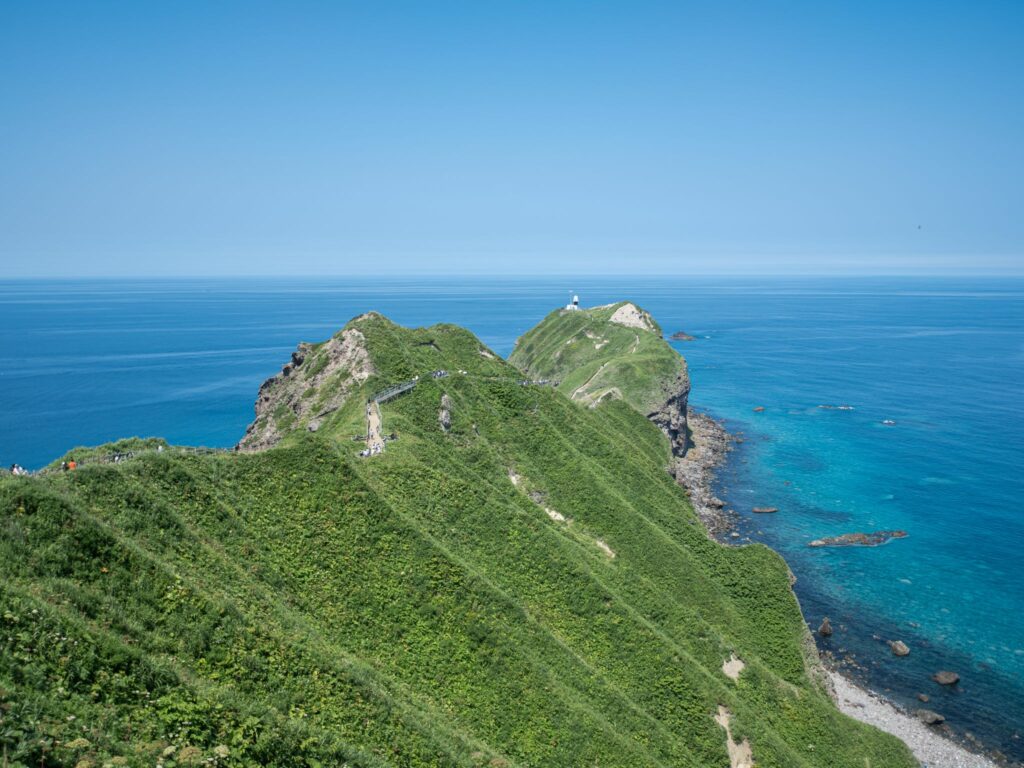
Legend warns that women who set foot on Cape Kamui will meet tragedy — a curse born from heartbreak centuries ago. Today, everyone walks the Path of Charenka freely, but the dramatic energy remains. The 40-minute round-trip trail follows a narrow ridge that juts into the Sea of Japan like a dragon’s spine, offering 360-degree views that steal your breath and humble your scale.
Wind roars here. Bring a jacket you can zip tight and secure any hats. The path is paved but exposed, with steep cliffs dropping to churning waters on both sides. At the cape’s tip, you’ll find Kamui Rock standing sentinel in the waves — a lone guardian watching over the boundary between land and infinity.
Shimamui Coast: Japan’s 100 Best Beaches
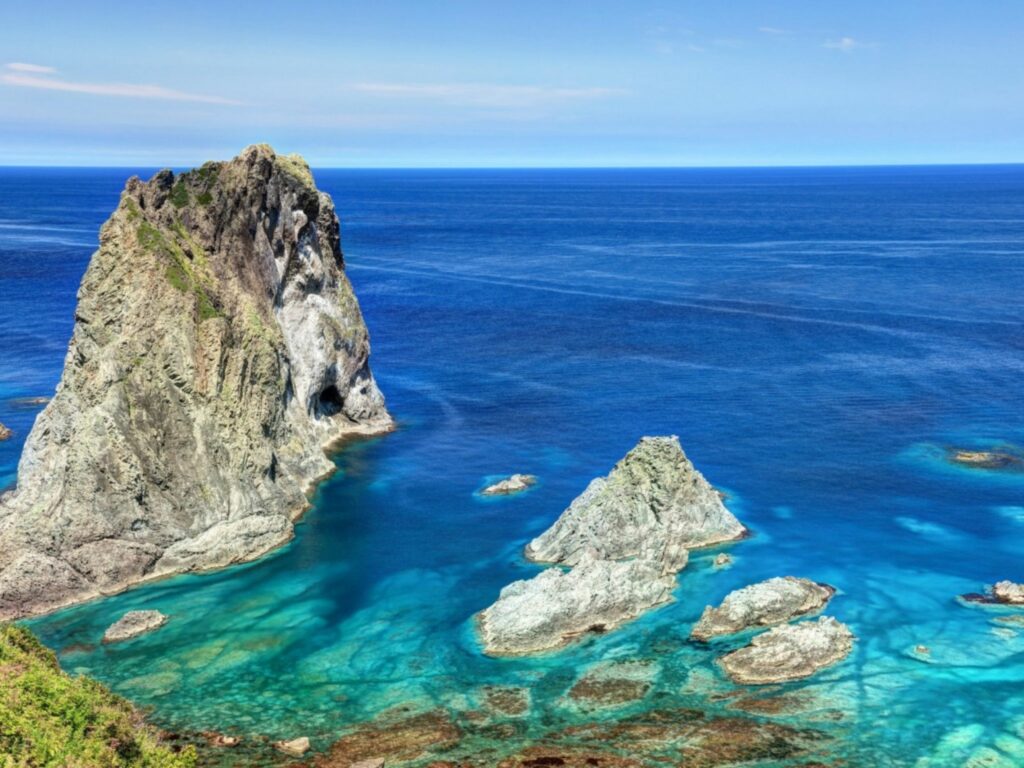
Ten minutes south of Cape Kamui, the Shimamui Coast offers equally stunning views with gentler access. A short tunnel leads from the parking area to an observation deck suspended above the crystalline water. The visibility here is exceptional — you can see straight through to the ocean floor, watching fish navigate the rocky depths below.
Summer Secret: Uni Season
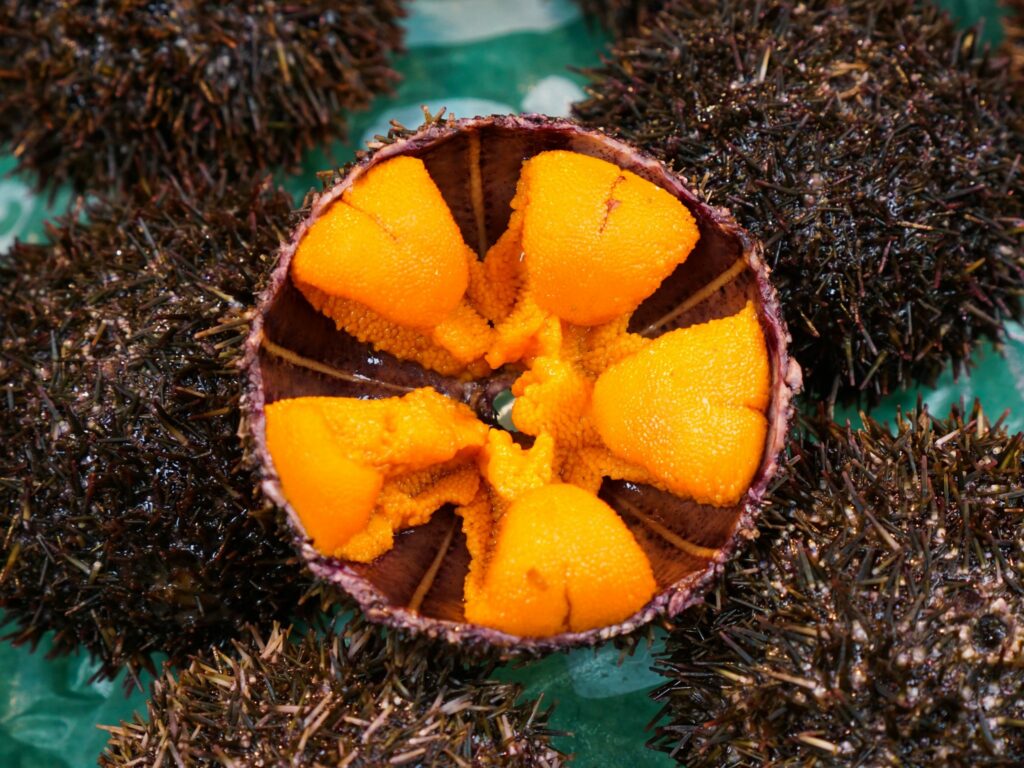
Visit between June and August and you’ll encounter Shakotan’s true treasure: sea urchin so fresh and sweet it redefines what uni can be. Local restaurants serve uni-don bowls piled high with orange-gold urchin harvested that morning from these pristine waters. Ezo-Bafun uni, the prized short-spined variety, offers intensity and richness that borders on transcendent.
Getting There:
Rent a car in Yoichi (from 5,000 yen/day) and drive Route 229 along the spectacular coastal highway. Public buses from Otaru reach the peninsula but run infrequently and require careful planning. If you’re up for adventure, the bus journey offers equally stunning coastal views — just check the Chuo Bus schedule meticulously and build in buffer time.
2. Otaru: Where Canals Meet Craftsmanship
Distance from Yoichi: 25 minutes by train (360 yen)
Otaru built itself on herring. In the early 20th century, silver schools so thick they darkened the water made this port wealthy beyond measure. The herring vanished, but the architecture remained — stone warehouses and merchant buildings that now house glass workshops, music box museums, and some of Hokkaido’s finest seafood restaurants.
The Iconic Canal
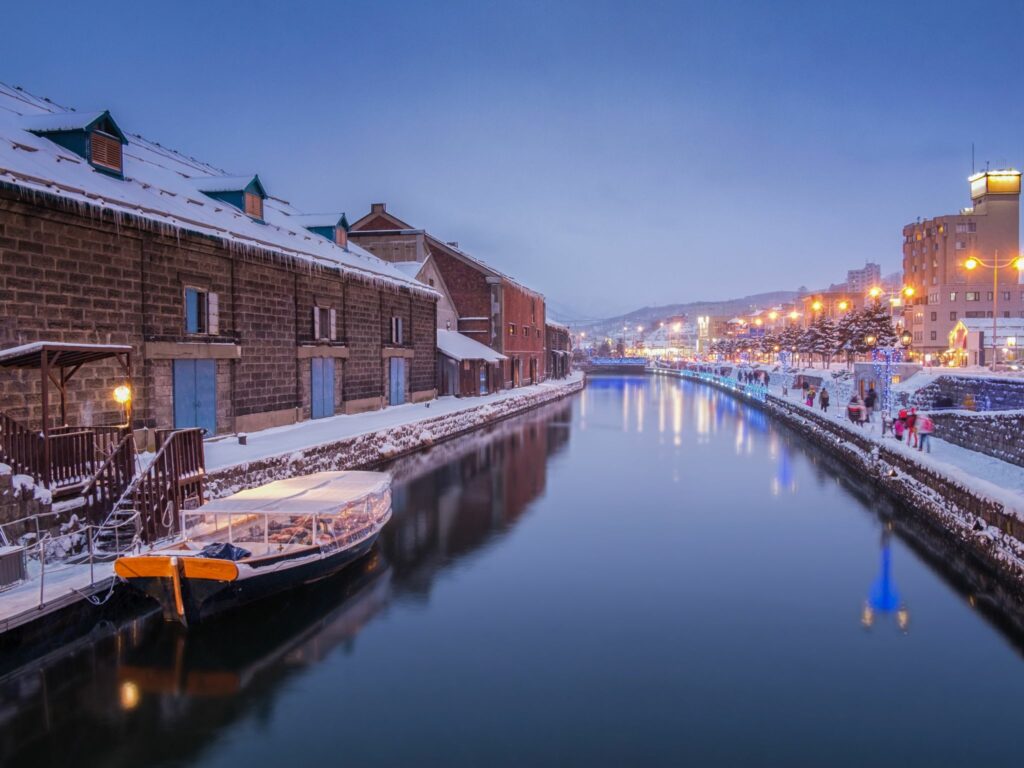
Yes, it’s touristy. Yes, you should still go. The Otaru Canal at dusk, when Victorian gas lamps flicker to life and their reflections dance on the water, creates magic that transcends cliché. Former warehouses lining the canal now serve as restaurants where you can watch snowfall while eating the freshest crab and scallops you’ll ever taste.
Sakaimachi Shopping Street
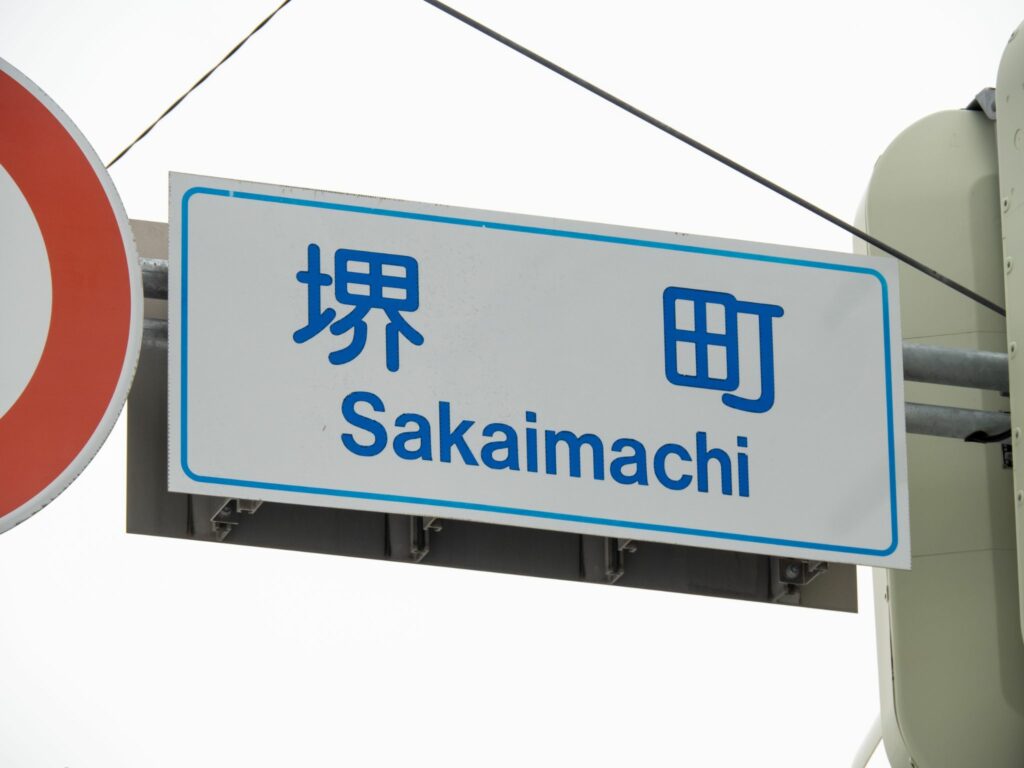
This historic merchant district runs perpendicular to the canal, a pedestrian wonderland of preserved Meiji-era buildings filled with artisan shops. Kitaichi Glass displays hundreds of hand-blown pieces in a space lit entirely by oil lamps — the warm glow makes even browsing feel like ceremony. The Music Box Museum holds over 25,000 music boxes, their collective chiming creating an atmosphere of peculiar enchantment.
Where to Eat:
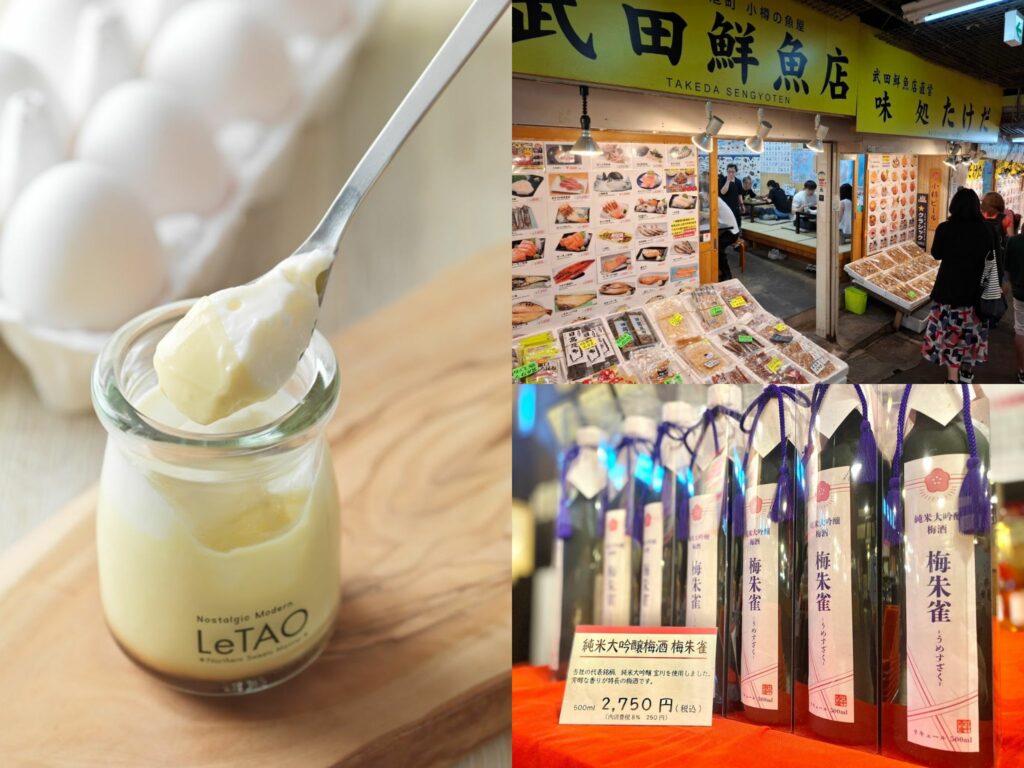
• Sankaku Market: Small stalls packed with vendors calling out their catches. Order a kaisendon (seafood rice bowl) piled with salmon roe, crab, scallop, and whatever else looked perfect that morning. Around 2,000-3,000 yen for magnificence.
• Tanaka Sake Brewery: Sample Hokkaido’s crisp, clean sake styles paired with local snacks. The staff explains the brewing process with genuine enthusiasm.
• LeTao: Famous for double fromage cheesecake so light it might float away. Stop here for afternoon coffee and pastries with canal views.
Pro Tip:
The train journey from Yoichi to Otaru hugs the coastline, offering stunning Sea of Japan views. Sit on the right side heading toward Otaru for the best vistas. Many travelers combine Otaru with their Nikka Distillery visit in Yoichi — do the distillery in the morning, then train to Otaru for lunch and afternoon exploration.
3. Niseko: Powder Paradise (Even for Non-Skiers)
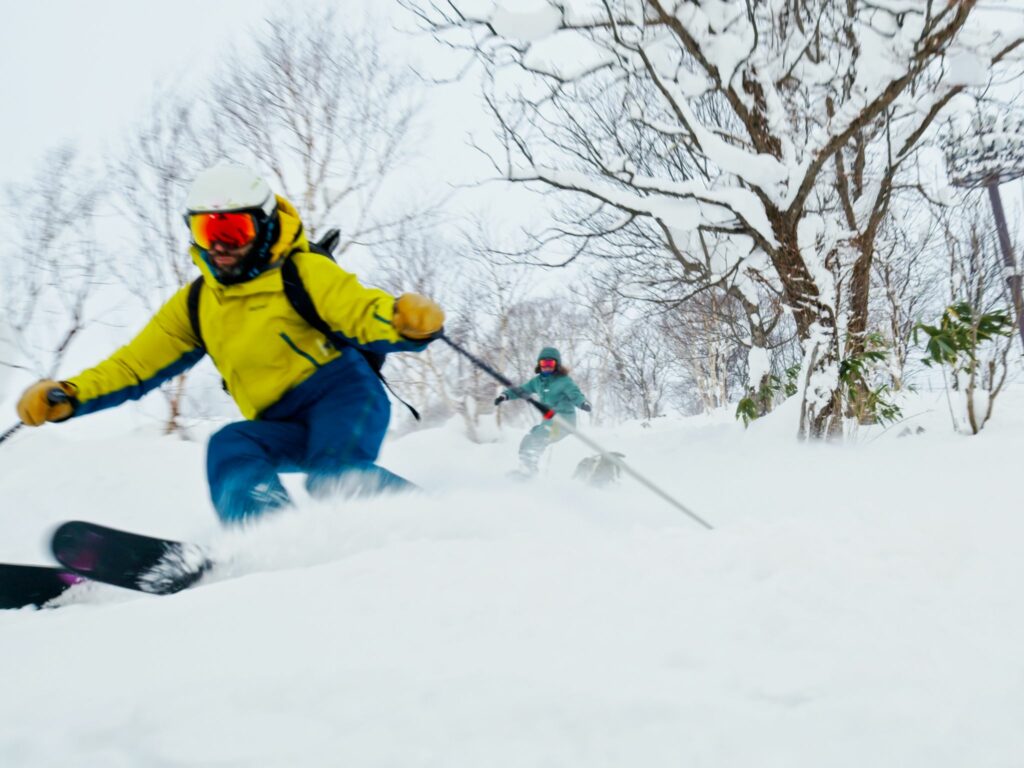
Distance from Yoichi: 1 hour by train or car
Niseko’s reputation as Japan’s premier ski destination is well-earned — but you don’t need to be a powder hound to appreciate what this area offers. The dramatic presence of Mount Yōtei (Hokkaido’s Mount Fuji) dominates the landscape, its perfectly conical peak presiding over valleys filled with hot springs, family farms, and some of the island’s most creative restaurants.
Winter (December-March):
If you ski or snowboard, Niseko United’s four interconnected resorts offer legendary “Japow” (Japanese powder). Day passes cost around 7,500 yen, and the snow quality is consistently extraordinary. Non-skiers can ride gondolas for mountain views, try snowshoeing through silent forests, or race snowmobiles around Mount Yōtei’s base.
But the real winter treasure? Onsen. After any activity (or no activity at all), sink into mineral-rich hot spring baths with views of snow-covered peaks. Niseko Annupuri Onsen Yugokorotei offers excellent facilities at reasonable prices. The combination of outdoor rotenburo (open-air bath) and cold mountain air creates a sensation unlike anything else — your body floating in 42°C water while snowflakes melt on your face.
Summer (June-September):
Green season transforms Niseko into hiking heaven. Trails range from gentle valley walks to challenging summit attempts on Mount Yōtei. Milk Kobo (Takahashi Farm) serves ice cream made from milk so fresh the cows are visible from the shop window. Nearby Niki Hills Winery offers tastings with panoramic vineyard views.
Getting There:
JR trains run from Yoichi to Niseko Station (about 1 hour, 700-1,000 yen). Once there, local buses connect to the resort villages, though renting a car provides more flexibility. The drive from Yoichi offers beautiful rural scenery — rice paddies, farm stands, and Mount Yōtei growing larger with each kilometer.
4. Sapporo: Urban Energy Meets Hokkaido Soul
Distance from Yoichi: 1 hour by train (1,070 yen)
Japan’s fifth-largest city maintains an unexpected intimacy. Wide boulevards and modern architecture create breathing room rare in Japanese cities, while Hokkaido’s frontier spirit keeps things grounded and genuine. Sapporo offers the perfect antidote to rural tranquility when you need crowds, shopping, and ramen at 2 AM.
Must-Experiences:
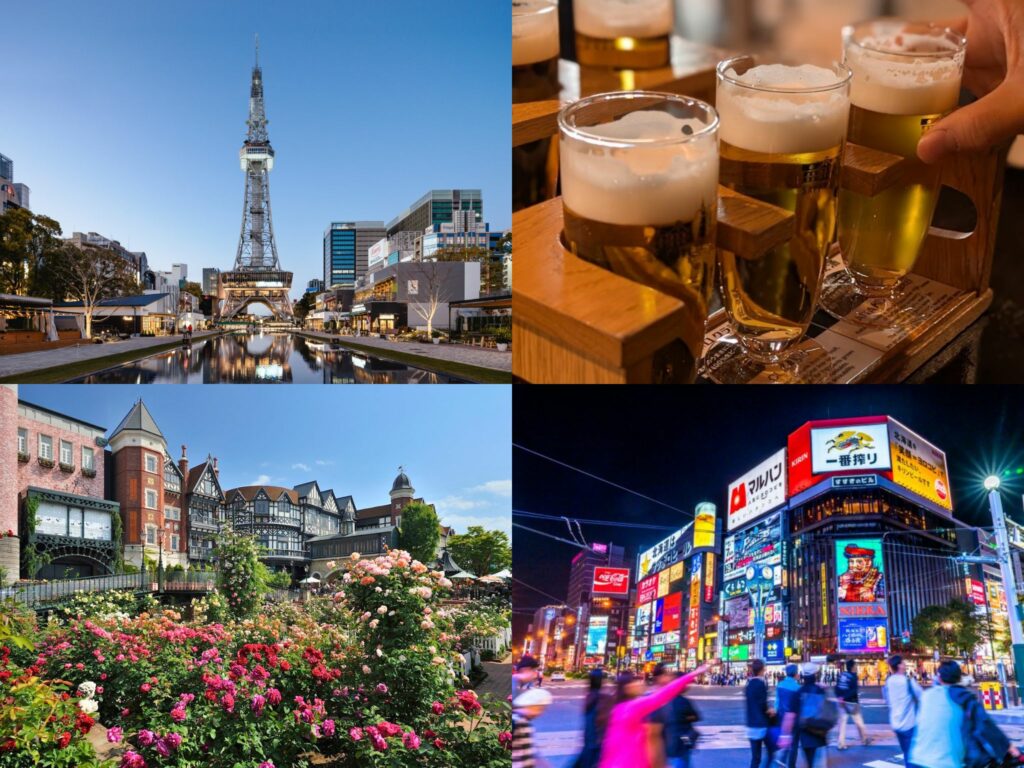
• Odori Park: This 1.5-kilometer green corridor bisects downtown Sapporo. In winter, the famous Snow Festival transforms it into a gallery of massive ice sculptures. In summer, beer gardens take over with a German-style festival atmosphere.
• Susukino: Hokkaido’s largest entertainment district explodes with neon, izakayas, and late-night ramen shops. This is where Sapporo sheds its polite facade and gets wonderfully chaotic.
• Sapporo Beer Museum: Free tours through beer-making history, followed by paid tastings of multiple Sapporo varieties. The attached beer garden serves Genghis Khan (grilled lamb) — Hokkaido’s signature dish.
• Shiroi Koibito Park: The factory behind Hokkaido’s famous white chocolate cookies. Watch production, sample fresh cookies, and wander European-style gardens. Touristy but charming.
Ramen Revelation:
Sapporo-style ramen — rich miso broth topped with butter and sweet corn — was born here and remains king. Head to Ramen Yokocho (Ramen Alley) or the newer Ramen Republic for concentrated excellence. Expect lines at famous shops, but turnover is quick. Budget 1,000-1,500 yen for a soul-warming bowl.
Shopping:
JR Tower and the connected Stellar Place offer floors of shops, from global brands to Hokkaido specialty food halls. Come here for last-minute omiyage (souvenirs) — Hokkaido cheese, Royce chocolate, local sake, and more regional delicacies than you can fit in your luggage.
5. Lake Toya: Volcanic Tranquility
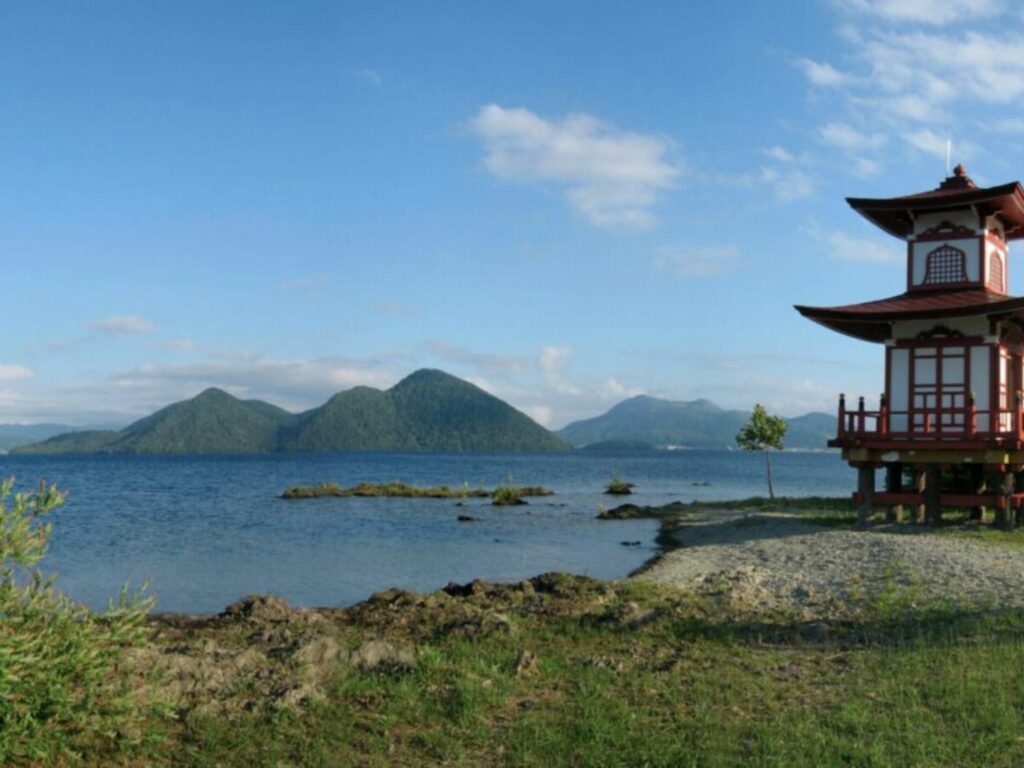
Distance from Yoichi: 1.5-2 hours by car
Imagine a perfectly circular lake cradled in an ancient volcanic crater, its waters reflecting surrounding peaks and sky in mirror-smooth stillness. Lake Toya sits within Shikotsu-Toya National Park, where active volcanoes still shape the landscape and hot springs bubble up everywhere the earth cracks open.
Toyako Onsen Town:
The lakeside resort town offers everything from budget public baths to luxury ryokans. Many onsen facilities welcome day visitors — you can soak in mineral waters while gazing across the lake to Mount Yōtei in the distance. The juxtaposition of hot water and cool mountain views creates a meditative state that’s distinctly Japanese.
Mount Usu & Usuzan Ropeway:
This active volcano last erupted in 2000, creating dramatic geological formations still steaming with sulfurous vents. The ropeway whisks you to the summit in 6 minutes for 360-degree panoramas over Lake Toya, Uchiura Bay, and the Pacific Ocean beyond. Walking trails circle the crater rim, passing observation points where you can peer into the volcano’s restless heart.
Summer Fireworks:
From late April through October, fireworks light up the lake every single night. Board one of the evening cruises to watch the display from the water, reflections doubling the spectacle. It’s kitschy and wonderful — exactly the kind of experience that makes Japanese tourism special.
Getting There:
Public transport to Lake Toya from Yoichi requires multiple transfers and is time-consuming. A rental car makes this trip feasible as a day excursion, though many travelers choose to overnight at a lakeside ryokan to fully embrace the onsen experience. The drive from Yoichi takes you through Hokkaido’s heartland — volcanic peaks, dairy farms, and roadside stands selling fresh vegetables and soft-serve ice cream.
Planning Your Day Trips from Yoichi
Best Base Strategy:
Stay in Yoichi for 3-5 nights and use it as your hub. Accommodation here costs a fraction of Sapporo or Niseko prices. You’ll find simple guesthouses and business hotels from 4,000-8,000 yen per night, often including breakfast. The town’s small size means everything is walkable — station, restaurants, convenience stores, all within 10 minutes.
Transportation Choices:
• Rent a car: Maximum flexibility, especially for Shakotan Peninsula and Lake Toya. Budget 5,000-8,000 yen per day. Requires Japanese driver’s license or official translation of your license (IDP alone is insufficient).
• Trains: Excellent for Otaru, Sapporo, and Niseko. JR Hokkaido runs frequently and punctually. Consider a flexible rail pass if making multiple trips.
• Buses: Cheaper but requires patience and planning. Shakotan buses from Otaru run infrequently — check Chuo Bus schedules carefully and build buffer time into your itinerary.
Seasonal Considerations:
• Winter (Dec-Mar): Niseko for skiing, Sapporo for festivals, onsen everywhere. Some coastal roads may close in heavy snow.
• Summer (Jun-Aug): Shakotan Peninsula for uni and swimming, Lake Toya for fireworks, everywhere for hiking. Best weather and visibility.
• Shoulder seasons: April-May and September-October offer fewer crowds, lower prices, and beautiful transitions (cherry blossoms or autumn foliage).
Why Yoichi Changes Everything
Most Hokkaido itineraries rush between Sapporo, Otaru, and Niseko in a blur of checkboxes. Basing yourself in Yoichi flips the script entirely. You escape tourist crowds while maintaining perfect access to every major attraction. You eat where fishermen eat, stay where prices make sense, and wake to a pace that lets you actually breathe.
Between day trips, you have the Nikka Distillery, fruit orchards, coastal walking trails, and some of Hokkaido’s best seafood restaurants right in town. Yoichi isn’t a compromise — it’s the insider secret that transforms a good Hokkaido trip into an unforgettable one.
The trains will carry you to powder slopes and urban energy. The coastal highway will lead you to blues so vivid they seem photoshopped. The local buses will deliver you to cape walks that humble your scale. But each evening, you’ll return to quiet Yoichi — to affordable lodging, to restaurants where the owner remembers your face, to a small town that represents the real Hokkaido.
This is how you discover an island: not by racing between famous spots, but by choosing one perfect place and letting it teach you everything nearby.
Want to explore Hokkaido without the tourist crowds? Let Gili Travel Agency design yourperfect northern Japan adventure, where whisky, powder, and volcanic wonders await.